By Arun Pratap SinghGarhwal Post Bureau
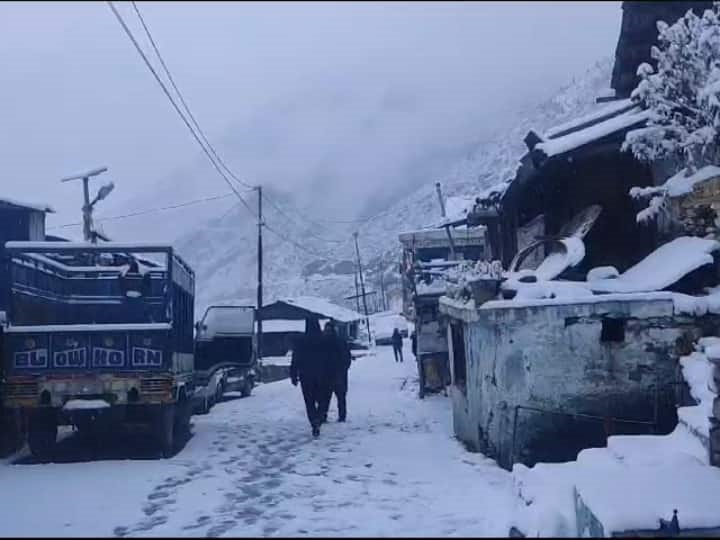
Dehradun, 2 Jan: After an unusually prolonged dry spell that saw virtually no precipitation through December, Niti Valley in Chamoli district has finally experienced the first snowfall of this winter season, bringing long-awaited relief to both residents and visitors alike. The snowfall has been recorded after what has been stated to be the driest spell on record in at least a decade according to the India Meteorological Department.
The high Himalayan valley near the Tibet border has the landscape cloaked in pristine white after the snowfall. This has revived hope of rainfall and fresh snowfall in the state. There is now growing anticipation that fresh snow showers could soon extend to other hill regions of Uttarakhand. It may be reiterated here that December’s complete absence of rain and snow had deviated sharply from the state’s average winter precipitation and prompted concern over soil moisture, groundwater recharge and agricultural prospects, particularly at higher altitudes where Western Disturbances drive winter precipitation.
Niti Valley’s first snowfall, much later than the customary onset of winter precipitation, has been welcomed with delight by tourists and nature enthusiasts who had been drawn to Uttarakhand’s scenic hills but were disappointed by the lack of snow for much of the season. The weather in Chamoli had remained overcast since early January, with dense cloud cover raising hopes of a change in conditions. Despite intermittent cloudiness and fog in plains like Dehradun and Haridwar, higher reaches such as Kedarnath, Badrinath and Auli had largely missed significant snowfall until recently, further underscoring the unusual dryness that prevailed through the heart of winter.
The prolonged absence of winter precipitation had not only stoked fears of forest fires in parched forests but had also dealt a severe blow to the farmers and as a result, lack of moisture led to delayed sowing of rabi crops and exacerbated concerns about future yields. In addition, wildlife such as leopards and bears, deprived of snow and associated cover in higher altitudes, have also been increasingly observed wandering into human settlements in search of food, heightening the risk of human-animal encounters across both rural and urban fringes. Prominent tourist destinations that normally benefit from winter visitors, including Auli and Aizen Top, remained quieter than usual, this winter so far, causing anxiety among local tourism entrepreneurs who depend on the season for economic livelihood.
The arrival of snow in Niti Valley has now infused a palpable sense of optimism that the broader hill region might yet see a shift in weather patterns. The meteorology department indicates an active Western Disturbance and associated moisture influx as contributory factors that may usher in further episodes of rain and snow over the coming days, a prospect reinforced by recent forecasts indicating possible light to moderate snowfall in higher reaches of Uttarkashi, Rudraprayag, Chamoli and Pithoragarh. Fog and sub-zero minimum temperatures have also been reported across several districts, with plains enduring cold wave conditions and dense early morning fog that has disrupted travel.
The cold wave this year has been reported to be markedly less intense in the lower hills compared with previous seasons and many had feared an extended period of “dry cold” that offers little ecological benefit. The long-anticipated snowfall has brought visible relief and joy to the faces of tourists and locals alike. While the recent snowfall marks a welcome shift, the state’s overall winter precipitation remains below historical norms and the unfolding weather patterns in January and February will be crucial in determining the extent of snow cover across the hills in the state.
About The Author