
my uttarakhand news Bureau
Dehradun, 10 Dec: Dehradun’s district administration is actively implementing Chief Minister Pushkar Singh Dhami’s directive to restore the capital’s renowned Doon Basmati paddy, which had been on the brink of extinction. This initiative has breathed new life into the traditional and fragrant rice variety, once the pride of Dehradun and its farming community. It may be recalled that the traditional Doon Basmati had seen a steep decline in production over the years due to the rise of modern rice varieties. The clear guidance from the CM towards this, coupled with the proactive engagement of the District Administration, has successfully reignited the cultivation of this valuable paddy.
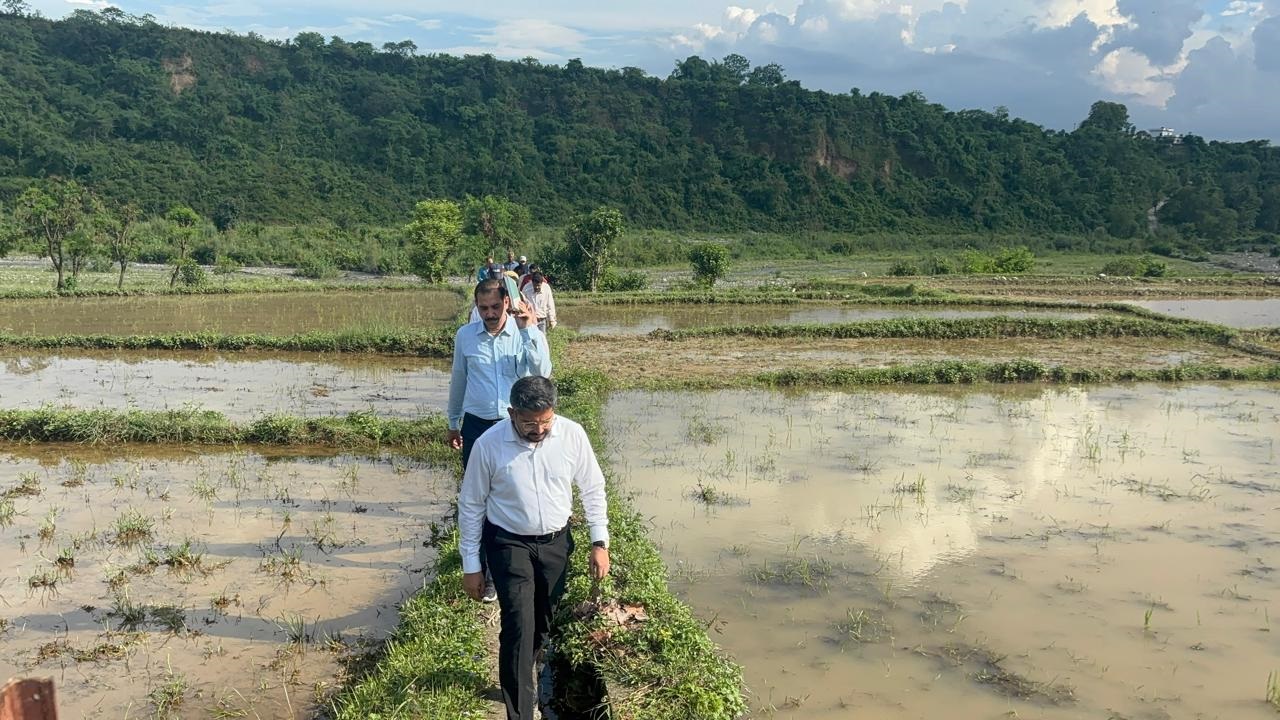
Farmers in Sahaspur and Vikasnagar areas of Dehradun have expanded Doon Basmati Type-3 cultivation under this special initiative and this has further encouraged others to follow suit in the upcoming season. These efforts have not only revitalised the crop but have also served as an inspiration across the region. The District Administration, working through the Gram Utthaan Project of Rural Development Department and the Agriculture Department, has provided essential training, technical support, and market linkages to farmers and Self-Help Group (SHG) women in both areas to ensure optimal yields of the traditional Basmati strain. The active involvement of both farmers and SHG members has been central to the success of this project.
Farmers’ participation throughout the cultivation, processing, and sales stages has enhanced the quality of Doon Basmati production while increasing their earnings. The Gram Utthaan Project under the Rural Development Department procured over 200 quintals of Doon Basmati paddy from the farmers and SHG women at Rs 65 per kilogram, disbursing more than Rs 13 lakhs to the sellers. The establishment of Doon Basmati as a recognised brand through Hilans and House of Himalaya represents a significant step by the District Administration. This branding will not only revive the paddy variety but also strengthen the economic prospects of local women farmers involved in SHGs. In the near future, these women’s groups are expected to find employment opportunities in the cultivation, processing, and packaging of Doon Basmati by-products.
The farmers have praised the District Administration’s efforts, acknowledging that Doon Basmati, once endangered, is now being revived through extensive cultivation. Women from different SHGs have also expressed optimism that the distinctive aroma and quality of Doon Basmati, for which Dehradun was once famous, will regain recognition owing to this initiative.
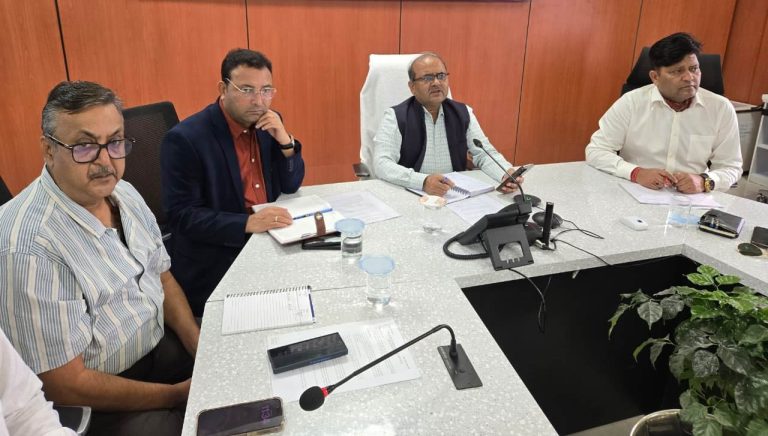
Kailash Bhatt, District Project Manager (REAP), noted that the project, spearheaded by Chief Development Officer (CDO) Abhinav Shah, has been highly beneficial for both farmers and the SHGs concerned. He mentioned that the Rs 65 per kilogram price was determined by the farmers to ensure fair compensation for their produce.
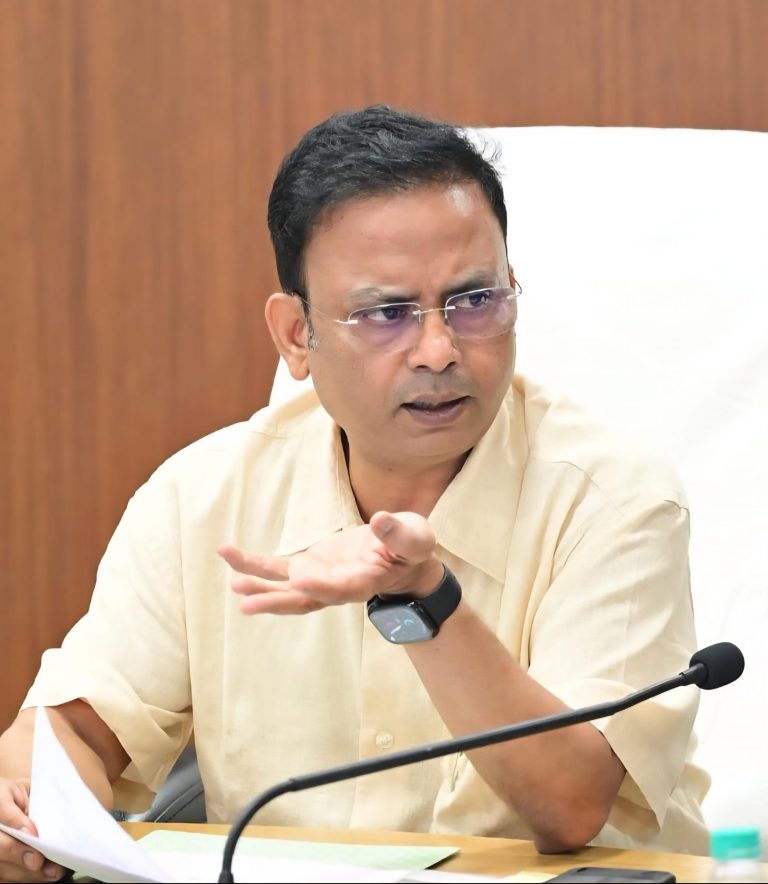
Commenting on this, CDO Abhinav Shah reminded that the project was launched with a firm commitment to resurrect the endangered Doon Basmati variety using traditional cultivation techniques. The District Administration’s action plan had begun with selecting farmers who had experience in traditional methods, followed by climate-adapted training sessions. He further added that these farmers would receive certification from the Agriculture Department after the harvest, which would serve to authenticate the Doon Basmati paddy.
About The Author