
my uttarakhand news Bureau
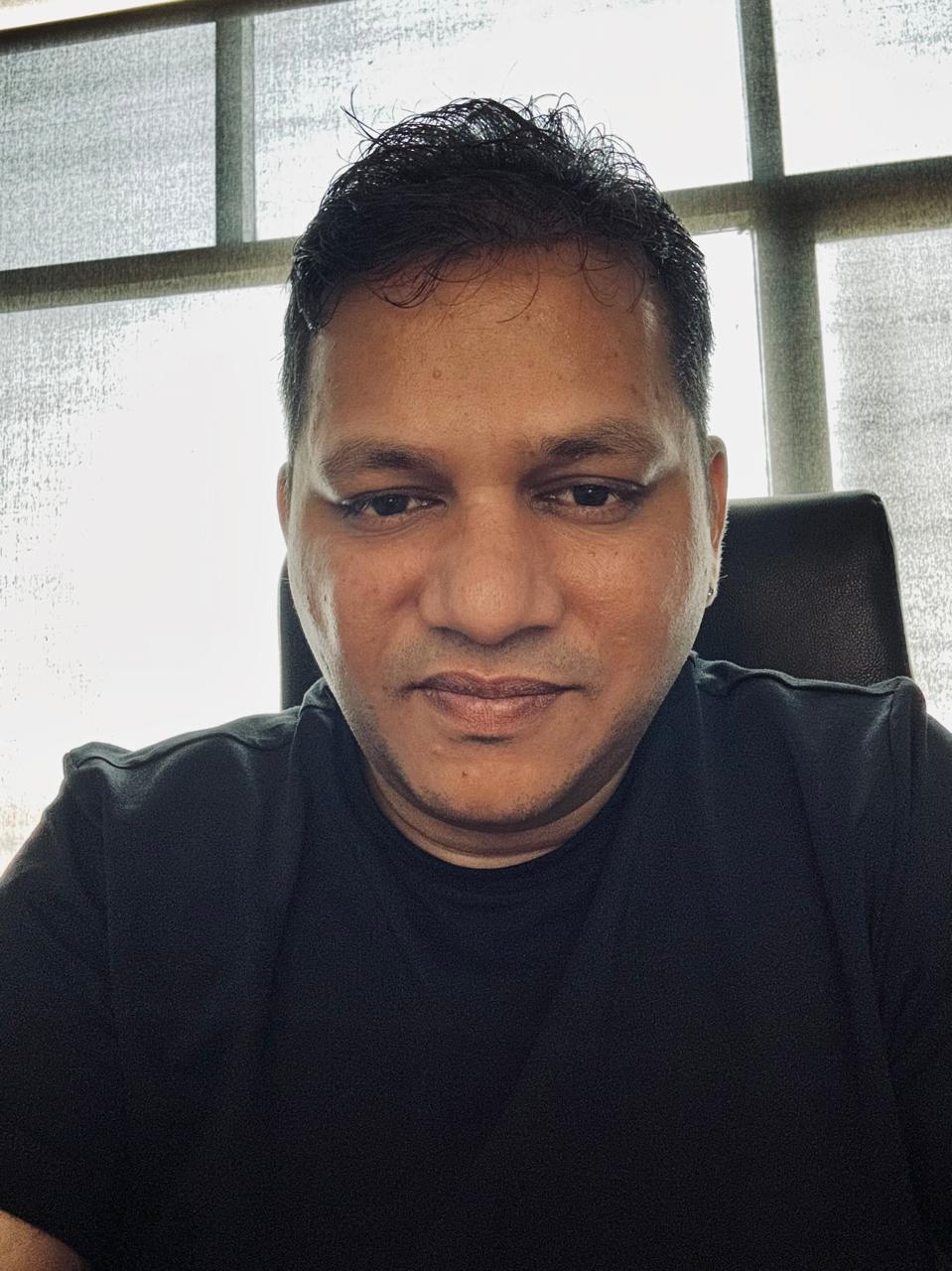
Dehradun, 8 Jan: As part of several initiatives for a rethink on the proposed Rispana Bindal Elevated Corridor (RBEC) Project and to provide a wider perspective on how a better Dehradun could emerge for all, Amit Baghel, a well-known Senior Transport Strategist, was invited to provide his perspective in Dehradun Citizens’ Forum (DCF) Second Online Knowledge Series.
Amit Baghel said elevated roads are not the solution to growing traffic congestion in cities. What organically growing tier 2 cities truly need is to strengthen public transport and promote walking.
Amit Baghel, with his extensive experience in road improvement along with sustainable mobility initiatives, had insights that can help cities like Dehradun develop resilient and future-ready mobility solutions. While speaking in the second online Rispana–Bindal Knowledge Series organised by the Dehradun Citizen Forum, Baghel said that the choice of whether citizens walk, cycle, bike, use a car, or take public transport is not made by individuals alone—the city’s road infrastructure decides it. People choose the mode that gets them to their destination comfortably and quickly. Governments, however, tend to pre-decide what they want to build and focus primarily on road construction. Wide and empty roads attract more vehicles, and soon these roads become as congested as the others – a case of induced demand.
He added that vehicles using expressways and elevated roads must eventually descend, causing severe bottlenecks at entry and exit points, a problem that no city has been able to solve so far. He questioned the very purpose of building elevated roads over rivers. “If an industrial area is being developed around them, it may be justified. But if it is meant for general traffic, it is certain that it will not solve congestion. Such elevated structures also destroy smaller city roads, footpaths, and surrounding residential areas,” he said.
Baghel emphasised that the first priority in cities should be building footpaths for easier accessibility to nearby areas. Walking is healthier and more environment-friendly, but the absence of footpaths forces people to use vehicles even for short distances. He stressed the urgent need to expand public transport. At present, its share in cities is just 6%. With reliable and comfortable services and proper awareness, more people will use it. Those still preferring private vehicles can be charged higher fees—though he acknowledged that governments hesitate because it may affect automobile markets.
Speaking about Dehradun’s short trip length, Baghel noted that metro-style systems are unlikely to succeed here. He elaborated on Dehradun’s Comprehensive Mobility Plan, which includes Vikasnagar, Rishikesh, and Haridwar—covering a total area of 3,668 sq km. Prepared in 2019 and updated in 2024, the plan contains several recommendations for sustainable transport and road widening but the real question is how many will actually be implemented. Baghel gave a precise and well-studied power point presentation as well as statistical figures providing enhanced understanding of mobility aspects within developing small cities.
He added that, if an elevated road over Rispana–Bindal Rivers is actively in the pipeline, its environmental and social impacts must be shared transparently with citizens, along with information about all related works and management plans. The citizens must know of its full implications and its relevance since it will irreversibly change the city’s skyline and atmosphere.
The meeting was moderated by Retu Chatterjee of DCF, while Bharti Jain presented the summary and thanked all participants. Anoop Nautiyal said that the Rispana Bindal Knowledge Series would continue and the next session of the Knowledge Initiative will be announced soon.
It is worth noting that, in the first edition of the series, Pune-based Urban Flood and River Expert, architect Sarang Yadwadkar, had explained the river morphology of Rispana and Bindal. He had warned that the proposed elevated corridor would obstruct river flow and significantly increase Dehradun’s flood risk. He had also shared a documentary on floods in Pune caused by encroachments and disrupted river channels.
The meeting was attended by over 40 members of Dehradun Citizens’ Forum, all residents of Dehradun.
About The Author