
CM reviews govt & employment schemes
my uttarakhand news Bureau
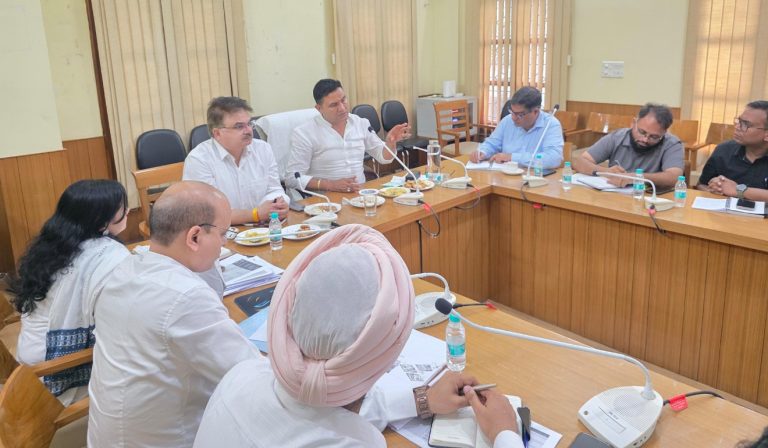
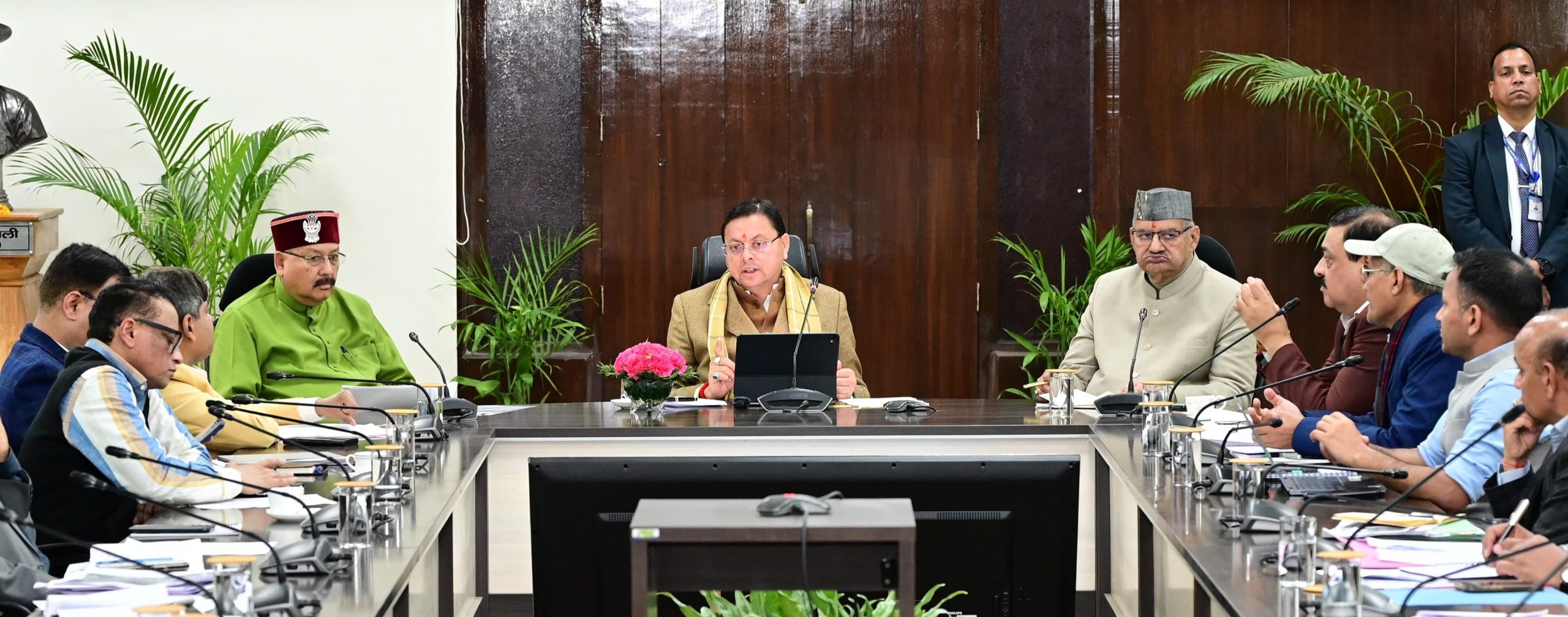
Dehradun, 29 Jan: Chief Minister Pushkar Singh Dhami today conducted a comprehensive review of various government schemes related to agriculture, animal husbandry, tourism and industry at the Secretariat and issued clear directions to prioritise linking people with employment and self-employment opportunities through flagship initiatives. During the meeting, the CM stated that under the ‘Jan-Jan ki Sarkar, Jan-Jan ke Dwar’ campaign, complete and accurate information about all schemes must reach the public so that eligible beneficiaries are able to fully avail themselves of the benefits.Dhami also directed the departments to accord special focus to the skill development of the youth and to work at a fast pace to create maximum avenues of self-employment. He stressed that every eligible person must receive the benefits of government schemes in a timely and comprehensive manner and instructed that the entire outcome of the budgetary provisions must be ensured. He also directed that the minutes of all high-level meetings should be mandatorily uploaded on the Unnati portal.While reviewing the Ultra High Density Apple Plantation Scheme (UHDAPS), the CM emphasised that the scheme must be implemented effectively to achieve its targets within the stipulated timeframe and to provide maximum incentives to the farmers. He also stressed upon the need for timely payment of dues to the farmers and called for expediting efforts to promote kiwi cultivation so that the farmers can receive better prices for their produce. Highlighting the immense potential for honey production in Uttarakhand, Dhami directed that work under the Honey Mission be made more effective and that organic certification of honey produced in the state be ensured. He also suggested that teams of officials and subject experts be sent to other states that have performed well in horticulture and apiculture to study the best practices adopted by those states.During the meeting, it was shared that 29 products from Uttarakhand have so far received Geographical Indication tags (GI tags), of which 18 belong to the agriculture and farmers’ welfare sector, while 25 more products have been identified for GI tagging during the current year. Under the State Millet Policy, being implemented at a cost of Rs 134 crores, crops including Manduwa (Ragi), Jhangora, Ramdana, Kauni and Cheena have been brought under coverage. In the first phase, the policy covers 24 blocks across 30,000 hectares, while the second phase covers 44 blocks across 40,000 hectares. It was also shared that more than 5,000 villages have been included in the initial stage, benefiting around 1.5 lakh farmers. To facilitate procurement and marketing of millet crops, 216 procurement centres have been established and a revolving fund of Rs 20 crores has been created under the Cooperative Department. Against a target of 5,000 metric tonnes, 5,386 metric tonnes of millets have already been procured during the current financial year.It was further reported that under the Mukhyamantri Swarozgar Yojana and Mukhyamantri Swarozgar Yojana 2.0, assistance amounting to Rs 202.72 crore has been provided to 33,620 beneficiaries against a four-year target of 32,000, while a target to benefit 9,000 more people has been fixed for the coming year. In the tourism sector, 780 homestays have been established over four years under the Deen Dayal Upadhyaya Homestay Scheme with financial assistance of Rs 188.58 crores. More than 1,000 beneficiaries also received assistance exceeding Rs 105 crores under the Veer Chandra Singh Garhwali Tourism Self-Employment Scheme. Under the Pradhan Mantri Matsya Sampada Yojana, 17,450 people in the state have received direct and indirect employment in the fisheries sector.Among those present during the meeting were Cabinet Ministers Satpal Maharaj and Ganesh Joshi, Principal Secretary R Meenakshi Sundaram and Secretaries Nitesh Jha, Dilip Jawalkar, Vinay Shankar Pandey, S N Pandey, V Shanmugam and Dhiraj Garbyal, along with other senior officials of the departments concerned.
About The Author