
my uttarakhand news Bureau
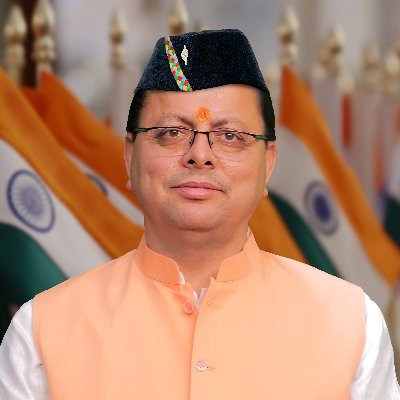
DEHRADUN, 11 Mar: Policial reactions have intensified in Uttarakhand following the decision of the Badrinath-Kedarnath Temple Committee (BKTC) to prohibit the entry of non-Sanatan followers in temples under its administration. Chief Minister Pushkar Singh Dhami, who is in Gairsain for the Budget session, on Wednesday stated that the State government will examine the bylaws of the temple committee and hold discussions with all stakeholders before taking any final decision on the matter.
Reacting to the development, Dhami said the decision has been taken by the temple committee but the Government would study the committee’s bylaws in detail. He said the Government would also hold discussions with all stakeholders associated with the Char Dham Yatra before moving forward in this direction. The CM however, made it clear that any decision by the Government would be taken strictly in accordance with established rules and traditional practices. His remarks indicate that the Government is not in a position at present to give its final approval to the decision.
In the meantime, Kedarnath MLA Asha Nautiyal also offered a balanced response to the controversy. She said she had long been in favour of maintaining the sanctity and dignity of religious places and had consistently demanded strict restrictions on activities such as the consumption of meat and liquor in temple areas. According to her, no form of disorder or indiscipline should be allowed at religious sites.
However, she also raised questions regarding a complete ban on the entry of non-Sanatan followers. She said that Badrinath and Kedarnath are centres of faith not only for India but for followers of Sanatan Dharma across the world, and therefore entry should be based on devotion rather than merely on religious identity. She stated that anyone who has faith in Sanatan and Hindu traditions should be welcomed. Asha Nautiyal added that once the detailed framework of the decision becomes clear, it will be possible to examine how it is intended to be implemented.
Responding to a question regarding the proposal to ban the entry of non–Hindus in 47 temples of Uttarakhand, veteran Congress leader and former CM, Harish Rawat said that the issue is merely part of a publicity exercise. He stated that in reality it was not such a major matter. He added that certain traditions have been followed at the local level at Har Ki Pauri for many years and people respect those customs. According to him, by raising such issues the BJP’s publicity machinery is attempting to harm the liberal image of Sanatan Dharma.
Congress MLA from Badrinath, Lakhpat Butola, has on the other hand strongly questioned the decision and the existing arrangements related to the pilgrimage. He said the committee is discussing restrictions on non-Sanatan followers at a time when Sanatan devotees themselves are facing0 difficulties in obtaining darshan due to the current registration and administrative processes. Butola alleged that preparations are also being made to collect fees from devotees in the name of pilgrimage registration. According to him, when Sanatan devotees are themselves facing difficulties in easily obtaining darshan, raising the issue of restricting entry of non-Sanatan followers appears meaningless.
He further said that people from different communities are involved in the various activities associated with the Char Dham Yatra and therefore such decisions may not be practical. Butola described the decision as a “Tughlaqi” order and demanded that the Badrinath-Kedarnath Temple Committee reconsider its move.
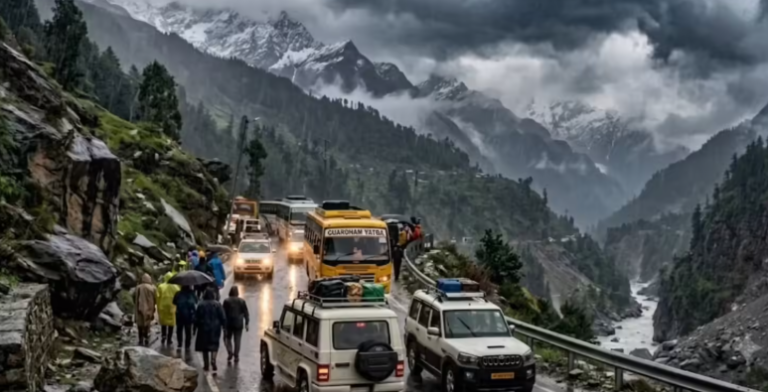
Under the decision of the committee, entry of non–Hindus has been prohibited in 47 temples of Uttarakhand that fall under the administration of the Badrinath-Kedarnath Temple Committee. These include the prominent shrines of Badrinath and Kedarnath along with several other temples and sacred sites. For the time being, the decision of the Badrinath-Kedarnath Temple Committee has triggered a debate at religious, social and political levels in Uttarakhand. With differing views emerging from various quarters, attention is now focused on the next step to be taken by the state government.
About The Author