By Sunil Sonker
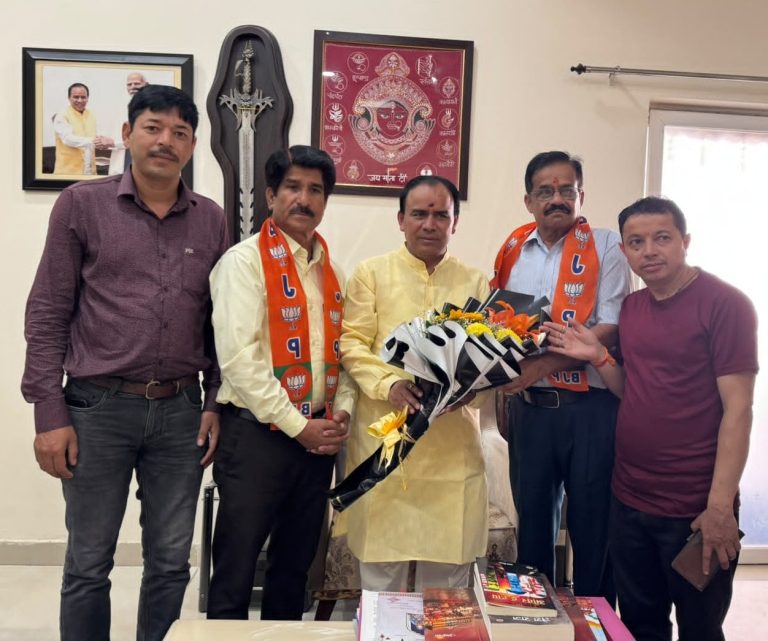
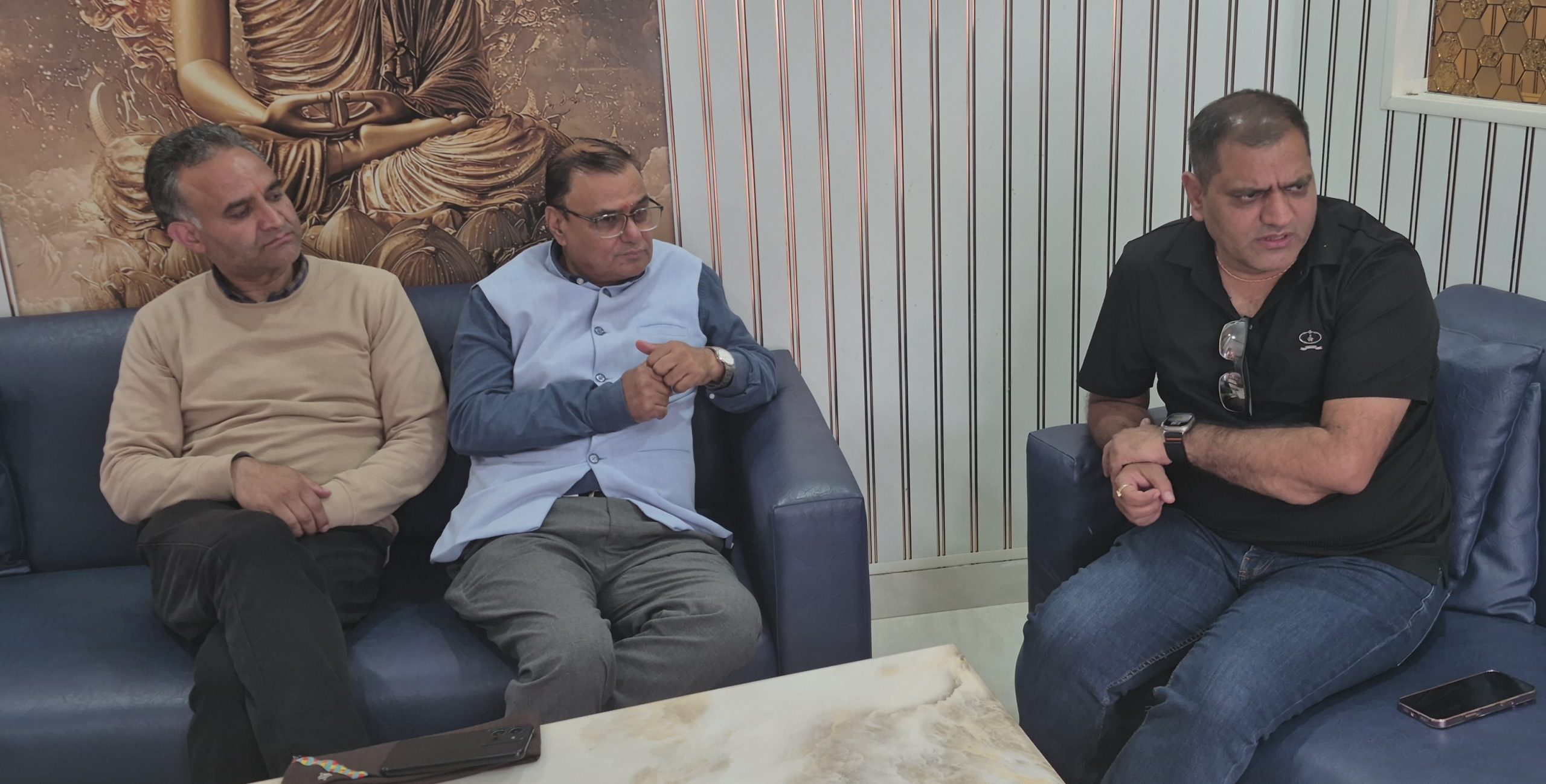
Mussoorie, 20 Sep: An initiative has been launched to secure recognition for Garhwali, Kumaoni and Jaunsari—languages spoken in the village squares, homes, and daily lives of the mountain region—on an Artificial Intelligence (AI) digital platform. With this objective, the core leadership team of ‘Bhasha AI’ held a dialogue with individuals active in the social sector in Mussoorie. The team stated that, if regional languages are not integrated with modern digital platforms, the usage of their words and dialects among future generations could gradually decline. During the discussion, Sachidanand Semwal, along with Anil Godiyal and Rajendra Singh Rawat, outlined the roadmap being prepared for the digitisation of these regional languages.
Sachidanand Semwal, currently based in the USA, explained that authentic data on Uttarakhand’s regional languages is being collected through the ‘Bhasha AI-Study Engineering Foundation’. The participation of litterateurs, writers, cultural activists, and the general public was highlighted as crucial to this initiative.According to them, approximately 700,000 words, sentences, and their meanings have been collected so far from the Garhwal, Kumaon, and Jaunsar regions. However, a challenge remains: a vast amount of literature in these regional languages currently exists only in the form of books and manuscripts. AI models require not just written material, but also data on actual speech, pronunciation, and voices. Consequently, the organisation has appealed to the public to provide books, old manuscripts, dictionaries, glossaries with meanings, local conversational phrases, and voice recordings in Garhwali, Kumaoni, and Jaunsari.The Bhasha AI team noted that the younger generation is rapidly connecting with technology and mobile applications. In this context, if regional languages are not available on apps, AI, and digital platforms, children might find many traditional words and expressions unfamiliar. With this in mind, work is underway to digitise authentic data from local languages. It was explained that this data would be processed using specialised technical methods to prepare it for local AI models and LLMs (Large Language Models). The future goal is to integrate this with national and global language-related technology platforms. According to the ‘Bhasha AI’ team, an office has been established in Dehradun, where the work of collecting and organising content related to regional languages is in progress. The project is also enlisting the help of around 14–15 engineers from the Petroleum University. Discussions regarding a Memorandum of Understanding (MoU) with the government are also underway.Semwal mentioned that efforts are being made to involve the Uttarakhandi diaspora living outside the state in this campaign. Programmes related to this initiative have already been conducted in Vancouver, Canada, and Seattle, USA, establishing contact with a large number of families and writers of Uttarakhandi origin. He noted that many old books and documents are coming to light containing words that are not easily understood by the current generation; some of this material dates back decades. Preserving such material and converting it into digital data is a crucial part of the project. He emphasised that it is not possible to save every word of regional languages through the efforts of the organisation or the government alone; participation from all sections of society is essential. Writers, teachers, students, the elderly, and native speakers have been urged to share any rare literature and linguistic material they possess.The ‘Bhasha AI’ team expressed optimism that significant progress could be made over the next one to two years in bringing the data being compiled for Garhwali, Kumaoni, and Jaunsari languages to major AI and language technology platforms. Gathering authentic and diverse data was identified as the most critical requirement for this endeavour. He stated that this is not merely a technical project but an effort to pass on Uttarakhand’s cultural heritage to the next generation. Incorporating local language words into technology will enhance the prospects for their usage and preservation.
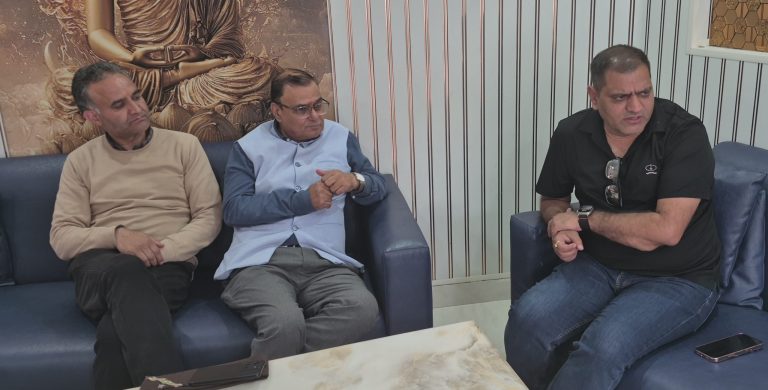
During a discussion held in Mussoorie, local writers and language enthusiasts were also urged to join and support this initiative.
About The Author