my uttarakhand news Bureau
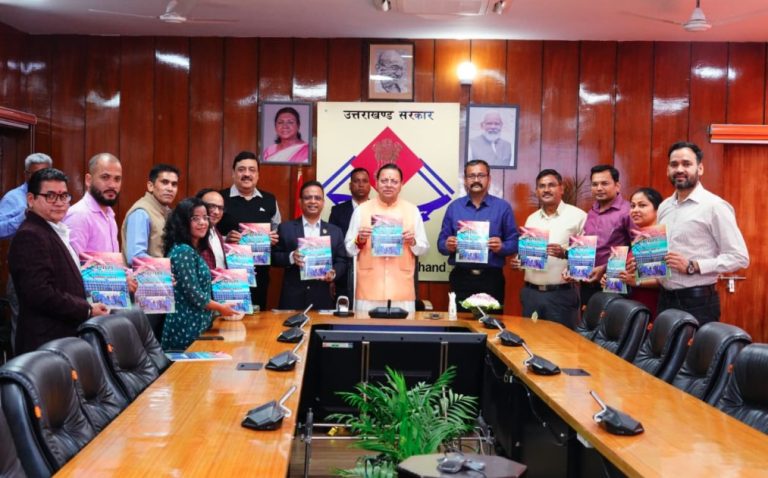
Dehradun, 28 Dec: Dr M Muruganandam, Principal Scientist and Officer-in-Charge (PME & KM Unit), ICAR – Indian Institute of Soil and Water Conservation (ICAR-IISWC), Dehradun, highlighted on Saturday a range of innovative fisheries and integrated farming technologies during the Cooperative Trade Fair being organised here by the District Cooperative Department, Government of Uttarakhand, from 26 to 29 December.
Invited as a subject expert by the State Fisheries Department and Cooperative Department, Dr Muruganandam presented the technologies and concepts developed, refined and demonstrated by ICAR-IISWC in its adopted villages and watersheds. These technologies focus on fisheries development, integrated farming systems, river and natural resource conservation, and effective communication and extension approaches to enhance adoption among farmers, Self-Help Groups (SHGs), Farmer Producer Organisations (FPOs) and state agencies.
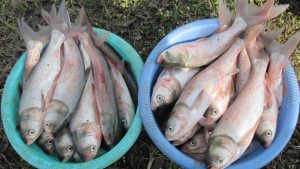
Dr Muruganandam emphasised the benefits of integrated fish farming linked with natural resource conservation. He highlighted the innovative integration of traditional water mills (gharats) – a cultural and functional pride of hill villages in Uttarakhand – with fish farming systems. Oxygen-rich water discharged from gharats and organic residues from grain processing can be effectively utilised for fishponds, along with integration of allied enterprises such as poultry and piggery. Technologies developed by ICAR-IISWC under this approach have demonstrated the potential to produce about 50 kg fish per 100 m2, while simultaneously enhancing livelihood opportunities, food and nutritional security in hill regions.
He also elaborated on improved carp farming practices, including revised stocking density and harvesting calendars. Stocking during February–March at a density of 1–2 fish per square metre, instead of the commonly practiced July–September high-density stocking, was shown to significantly enhance productivity. The improved package of practices yields 45–50 kg fish per 100 m² in hill conditions, with which the farmers could increase fish production from 800 kg to about 2.5 tonnes per ha in their ponds.
Another key technology discussed was rice-fish farming, which harnesses the rice ecosystem of the region. By strengthening field bunds, creating trenches and refuge ponds, and ensuring continuous water availability, fish farming can be effectively integrated with paddy cultivation. Stocking of advanced fingerlings enables faster growth and higher returns. Fish culture in paddy fields, with only about 4 per cent of the area allocated for refuge structures, yielded 600–900 kg fish per hectare per year and also results in 15–20 per cent increase in paddy yield in integrated systems, owing to synergistic effects and nutrient recycling through fish excreta.
Dr Muruganandam highlighted the importance of scientifically designed farm ponds and water-harvesting structures, including inlet-outlet systems, sediment detention structures, diversion drains to safely dispose of excess rainfall-runoff out of ponds, optimum pond depth (1-1.5 m), soaking pits for fertilisers and proper harvesting arrangements nearby farm ponds or fishponds. The concept of watershed-based fisheries development, linking soil and water conservation measures with enhancement of riverine fisheries, biodiversity and ecosystem services, was also explained.
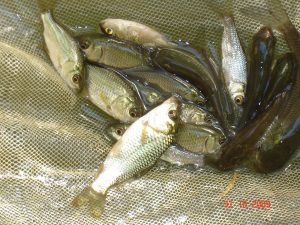
Issues related to water quality management and fish disease control, particularly Epizootic Ulcerative Syndrome (EUS), were discussed in detail. Adoption of timely corrective measures such as lime application (100 kg Ca(OH)₂/ha), possible water exchange, potassium permanganate treatment (0.5 ppm), density regulation through partial harvesting, and use of broad-spectrum antibiotics (Septron @ 100 mg/kg feed) were shown to effectively control disease incidence.
The fish seed and fish transport technologies refined by ICAR-IISWC were also highlighted. These techniques ensure 90–95 per cent survivability during transport with only 2–3 per cent delayed mortality after stocking, significantly improving farm success.
Advanced and emerging technologies such as biofloc systems and location-specific integrated fish farming models were also discussed. In addition, livestock-based and rural poultry enterprises refined by the Institute were presented as viable micro-enterprises for watershed development and rural livelihoods in the Western Himalayan region.
Dr. Muruganandam strongly advocated responsible fishing practices, discouraging the capture of juveniles and brooders, the use of small mesh-size nets, bleaching powder and poisonous chemicals, to ensure sustainability of fisheries resources.
He informed the participants that these technologies have already been transferred to farmers and state agencies and demonstrated in about 50 villages and watersheds through ICAR-IISWC’s outreach and extension programmes, with encouraging adoption and impact.
The session attracted wide participation from farmers, SHGs, FPOs and departmental officials, who expressed keen interest in adopting the demonstrated fisheries and integrated farming technologies.
About The Author