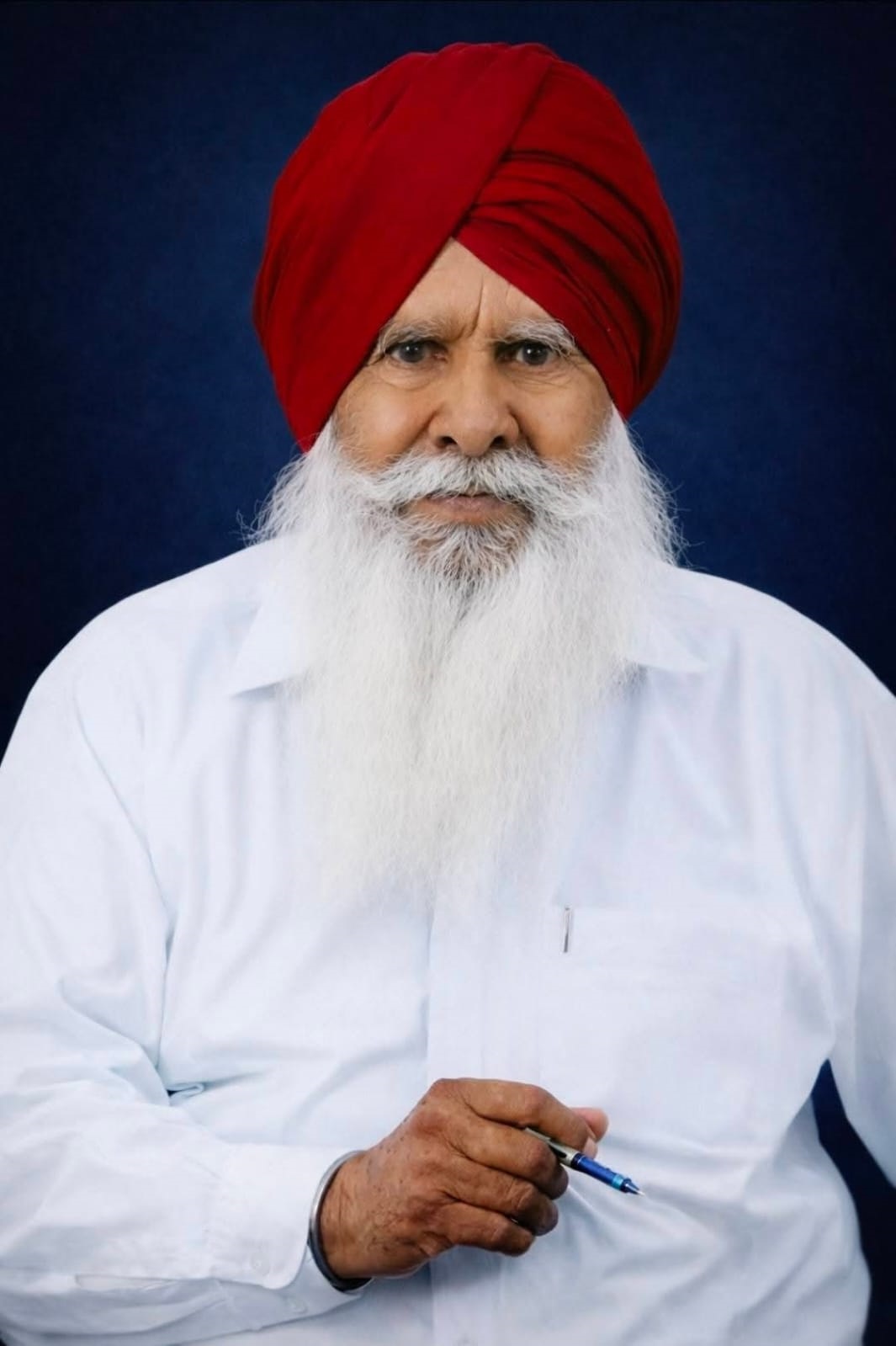

Founder Chairman of Texla & GRD Group Sardar Raja Singh Oberai passes away
my uttarakhand news Bureau
Dehradun, 5 Mar: The legendary entrepreneur, Raja Singh, founder of the iconic television brand Texla TV, passed away in Ludhiana on 28 February. His journey from a refugee child to one of India’s most influential electronics manufacturers remains an inspiring story of determination, resilience, and entrepreneurship.
During the cable television boom of the 1980s and 1990s, Texla became one of India’s most recognisable television brands. The company’s affordable TV sets made television accessible to middle-class families across the country, especially in Delhi and the state of Punjab. For many households during that era, owning a Texla television was almost a norm.
Raja Singh was born on 19 February 1936 in Hillan village in Mirpur near Rawalpindi, now part of Pakistan. His childhood was deeply affected by the Partition of India, which forced his family to migrate to India when he was only 11 years old.
After settling in Delhi, he began working as a labourer for a vegetable vendor. Despite never receiving formal education, he possessed a strong entrepreneurial spirit.
In 1961, he founded Jupiter Radios, a company that manufactured affordable radios and transistor sets. The business quickly grew, eventually producing nearly 1.5 lakh radio sets annually and gaining popularity among ordinary Indian consumers.
In 1972, Raja Singh expanded into the television market with Texla. The company started modestly by producing around 2,500 TV sets in its first year. Over time, the brand grew rapidly and became a dominant player in the market.
By 1988–89, Texla was manufacturing nearly three lakh black-and-white and colour televisions every year. According to his son, Sardar Inderjeet Singh Oberoi, Texla once held nearly 95 percent of the television market share in Punjab from the late 1980s to the early 2000s.
“My father never had formal education, but through hard work and determination he made radios and televisions accessible to the common masses in India,” Inderjeet said. Inderjeet currently resides in Dehradun, while his brothers Kanwaljit Singh Oberoi and Sukhwinder Singh Oberoi manage parts of the family business in Ludhiana.
Raja Singh established several related ventures to strengthen his manufacturing operations. In 1979, he founded Rajkamal Industries in Delhi to produce wooden cabinets for televisions.
Texla launched its colour television range in 1982 with a production capacity of 50,000 units annually. A year later, the company introduced low-cost portable black-and-white TV sets, bringing television technology within the reach of ordinary households.
To meet increasing demand, a new manufacturing unit with a capacity of two lakh TV sets per year was set up in Ludhiana. In 1986, Raja Singh further expanded the business by establishing Mullard Tubes Ltd in Nandpur, Ludhiana, to manufacture picture tubes.
In 1987, another company under his leadership, Bestavision Electronics, began producing televisions in Noida with a capacity of 50,000 sets annually. A second unit was later established in Patna in 1988.
The company achieved a major milestone in 1989 when Texla received the National Productivity Award after producing three lakh television sets in a single year.
Despite his lack of formal education, Raja Singh strongly believed in the power of learning.
He later established the Guru Ram Das Educational Trust, which runs several educational institutions including GRD Institute of Management and Technology, Rajpur Road, Dehradun, and GRD Academy schools in Ludhiana and Dehradun.
He also created Sarab Sanjhi Gurbani, an initiative dedicated to promoting the teachings of the Guru Granth Sahib through audio-video recordings, publications, and devotional programmes.
Raja Singh was also known for his humanitarian work during the 1984 Anti‑Sikh Riots, when he offered employment and support to many victims who had lost their livelihoods.
Over the years, the family expanded into other sectors. Their ventures include plastics manufacturing through Texla Plastics and Metals in Kanganwal, road safety products under the brand name Dark Eye, and the hospitality sector with Nirvana Luxury Hotel.
Today, the family continues to operate a television production unit in Noida while managing their various businesses in manufacturing, education, and hospitality.
Raja Singh’s life is a powerful example of how determination and hard work can transform adversity into success. From a refugee child with no formal education to a pioneer of India’s electronics industry, his contributions brought affordable technology to millions of households.
The legacy of Raja Singh will continue to live on in the hearts of those who admired his work and benefited from his vision.
About The Author