
my uttarakhand news Bureau
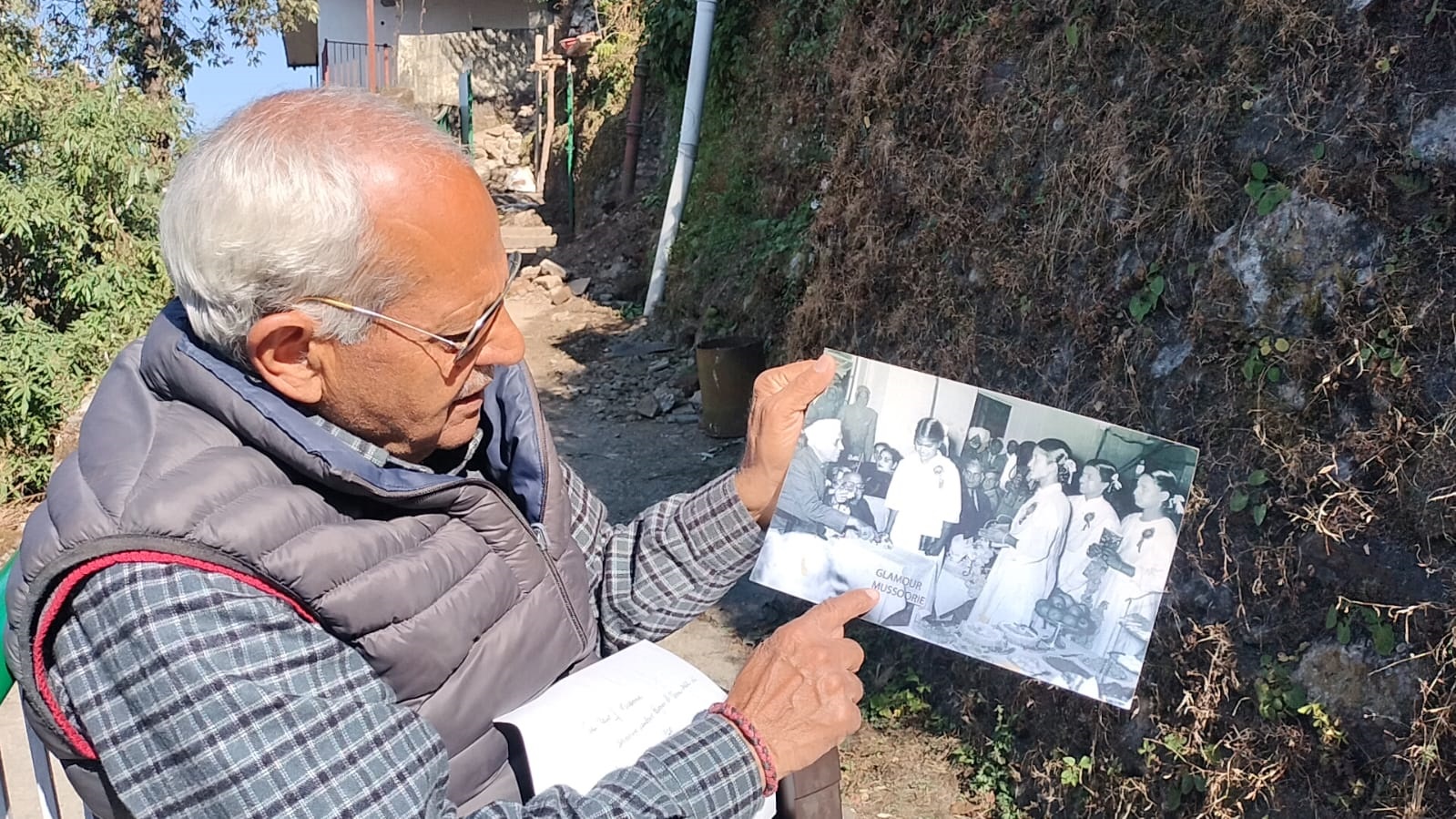
Mussoorie, 18 Nov: As the nation remembers Indira Gandhi, the people of Mussoorie are remembering her birthday, recalling the golden moments in Mussoorie when this hill town witnessed the historic presence of Indira Gandhi and her father, Pandit Jawaharlal Nehru. From the 1920s to 1982, Mussoorie witnessed her many visits, each adding a new chapter to history.
Childhood Memories: Indira Growing Up in the Lap of MussoorieIn the 1920s, Pandit Nehru frequently visited Mussoorie with his wife, Kamala Nehru, and young Indira. Nehru was deeply involved in the freedom movement, frequently going to jail, but through his letters to his daughter, he taught her the lessons of political understanding, foresight, and determination. This was the period when Indira was shaping up as a sensitive, strong, and discerning personality. From childhood, Indira was taught the nuances of diplomacy, political maneuvering, and governance by Nehru. She often accompanied her father on foreign trips. This shaped her into a mature, decisive, and iron-fisted leader, who, upon assuming the office of Prime Minister in 1966, gave the country a new direction. In 1958, Indira Gandhi, accompanied by Prime Minister Nehru, travelled to Mussoorie to meet the Panchen Lama. This meeting took place at the Savoy Hotel and is considered extremely significant in India-Tibet relations. In 1963, Indira Gandhi visited Mussoorie to attend the first Governing Body meeting of the Tibetan Homes Foundation. She was a founding member, and the Dalai Lama was its president. The following year, in 1964, she visited to oversee the organisation’s progress. The education of Tibetan refugee children, especially the Happy Valley School, was a subject of her keen interest.
 1974: Historic Visit as Prime Minister
In 1974, Indira Gandhi, as Prime Minister, received a grand welcome in Mussoorie. That same year, she announced the historic decision to rename the Administrative Training Institute as the Lal Bahadur Shastri National Academy of Administration. Her public address at the Happy Valley grounds is still fresh in the memories of the elderly. Renowned historian Gopal Bhardwaj recounted that the mountains truly heard the voice of a charismatic leader that day.In 1980, Indira Gandhi once again visited Mussoorie, this time accompanied by Sonia Gandhi. She inspected the Tibetan Homes Foundation and the Kendriya Vidyalaya there and met with the children. Her visit became a symbol of human sensitivity and compassion. Indira Gandhi’s last visit took place in 1982. This was a time when limestone quarries in the Hathipaon area were rapidly destroying the Mussoorie hills. The air was becoming polluted, trees were being cut, and the mountains were losing their natural beauty. Recognising this danger, Indira Gandhi took a firm stand and directed the government to take immediate action to stop mining. Following her initiative, the Supreme Court ordered the closure of the mines in 1982. The people of Mussoorie breathed a sigh of relief. Locals still say that, if it weren’t for Indira Gandhi, Mussoorie’s greenery might have been lost forever.
Historian Gopal Bhardwaj says that Indira Gandhi’s visits had a profound impact on Mussoorie’s identity, culture, and environmental heritage. She understood the problems of the people here, helped the Tibetan community, and, above all, saved the hills from destruction. This is why the people of Mussoorie respectfully say that the city will always be indebted to Indira Gandhi.
About The Author