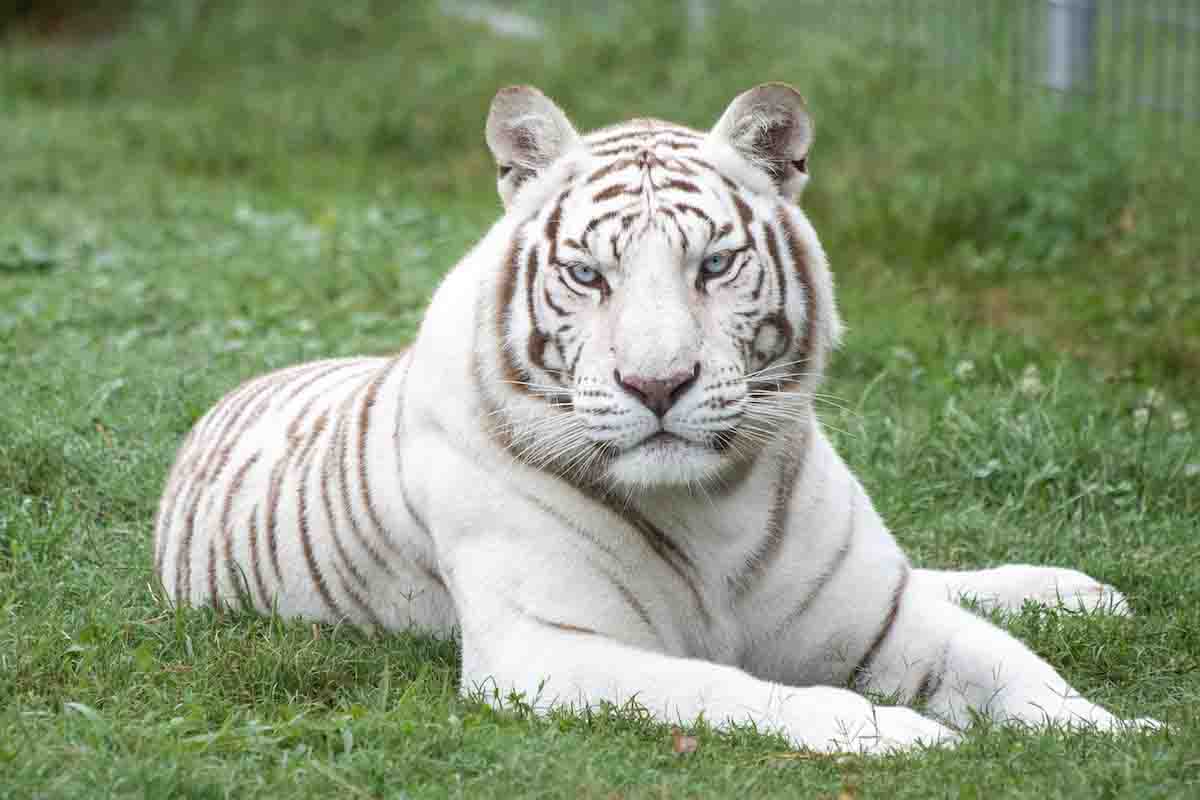
 OP Agnihotri | Haldwani Russia has sought technical assistance from the GB Pant University of Agriculture and Technology (GBPUAT) in Pantnagar to develop a clone of the unique white tiger unique to Rewa.Taking it up as a scientific challenge, the university has decided to cooperate towards a global achievement. The university’s vice chancellor Manmohan Singh Chauhan said that the St Petersburg University of Veterinary Science and the GBPUAT are having a detailed discussion on this subject. A group of Russian scientists and students had visited Pantnagar in February this year and detailed discussions were held on cloning of the white tiger and the two sides agreed upon technical cooperation. It is pertinent to mention here that the white tiger was bred by the then royal family of Rewa. GBPUAT has past experience in cloning as it had first cloned the Gir cow in 2023. On the other hand the university is also involved in preservation of Uttarakhand’s native Badri cow. The history of the white tiger in India dates back to 1951 when the then king of Rewa, Martand Singh caught the first white tiger from near Govindgarh and named him Mohan. The white tiger safari is still a major attraction in Rewa. Experts state that the cloning plan, if successful, will not just be a scientific achievement but also lend new dimensions to tourism, commerce and biodiversity conservation. The price of a white tiger in the global market is estimated to be upto Rs five crore. Russia approaching India to develop the white tiger’s clone could be considered to be more than a wildlife issue at a time when the US President Donal Trump has been pressurising India with tariffs for buying oil from Russia. While India and Russia have maintained their long-standing defence relations, the white tiger proposal could add a new dimension to the scenario. It is worth mentioning here that though the white tiger is a result of selective breeding, the tiger is believed to have originated in Siberia in Russia.
About The Author